Brochure Graphic Design - The Mockup
After the writing process, and everyone has agreed that the copy really captures the essence of the firm, then the graphic design phase begins.
It's now time to gather images that are pertinent to the text. It may be time for another brainstorming session with your team. Look at the images you have, and also consider images of new products or services that you will need to photograph or to have custom illustration done. If you have no images, and no ideas, then let your designer create the ideas for you. Let the process begin.
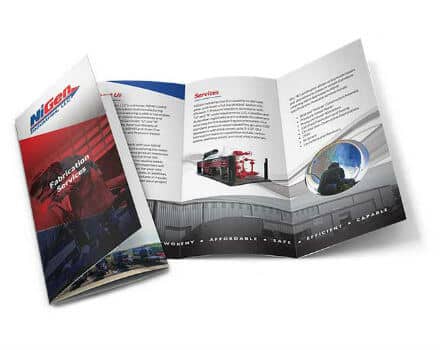
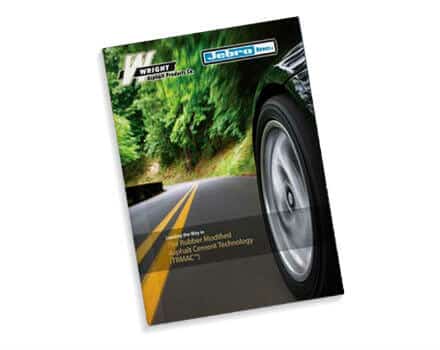
Your design team, creative director, and artist will create renderings for you. The mockup can be created in several ways. It can be computer generated, or it can be created freehand.
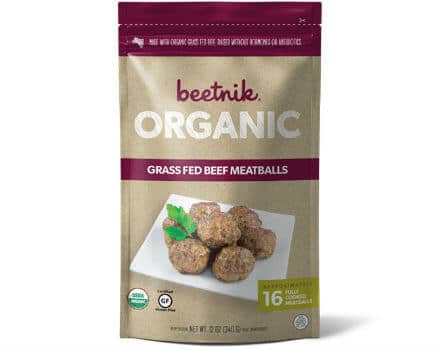
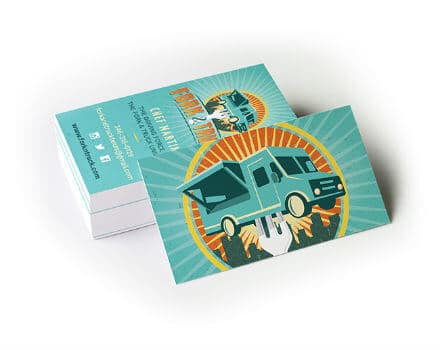
From this mockup, you will see the design taking shape and the design should enhance the powerful written word on the page. Headings of the text should pop out at you and make you want to read the information. The images should depict the quality and professionalism of your firm.
Brochure Printing
Once everyone has reviewed the proofs, it's time for the press. Let professionals press check your job, and you will be happy when you get the boxes of your brochures in your office. And remember, those brochures do not need to be stuck in a closet somewhere, because they will do you no good there. Make plans before you start your brochure adventure about how you will distribute them to your potential clients.
A creative-brochure design with lots of eye appeal is a great way to communicate the benefits, products and services of your company in a compact and concise manner. It is also an excellent way to help express your brand message and enhance your brand identity.
MARION has a time-tested, proven process for developing, designing and producing impressive brochure designs.
Set Your Goals
The process usually starts out by determining what do you want to achieve, what message do you want to get across, and who is your target audience? It's a good idea to get all the key players involved in the process from the beginning of the process.
A good writer and creative team can help you get started in the process. Just make a list of your goals. What are the benefits of doing business with your company? What are your products? What makes your company's services, products, strategies unique and different from your competition?
Also start thinking about your audience. Who will be looking and reading this information? What styles of writing and design will actually interest them?
Developing the Brochure Text
After the outline is created, and you've basically listed your goals, it's time to write the copy for the brochure. A huge trap in this process is for the team to start thinking about what the brochure needs to look like and what images or visuals should be included. This is the time to show a little discipline and believe in the process. You want to write a powerful story about your firm that will be compelling, honest and concise. This is not the time to throw in all the details, it's time to determine the highlights of the information needed.
A brochure is typically created to help brand your company, showing benefits and features of your firm. And if the text is created with a marketing purpose, it must invoke a response from your reader. The copy should make you want to call your firm for more information. A brochure must help you create a warm lead.